Top Tips for Choosing Your Perfect Pair of Training Shoes
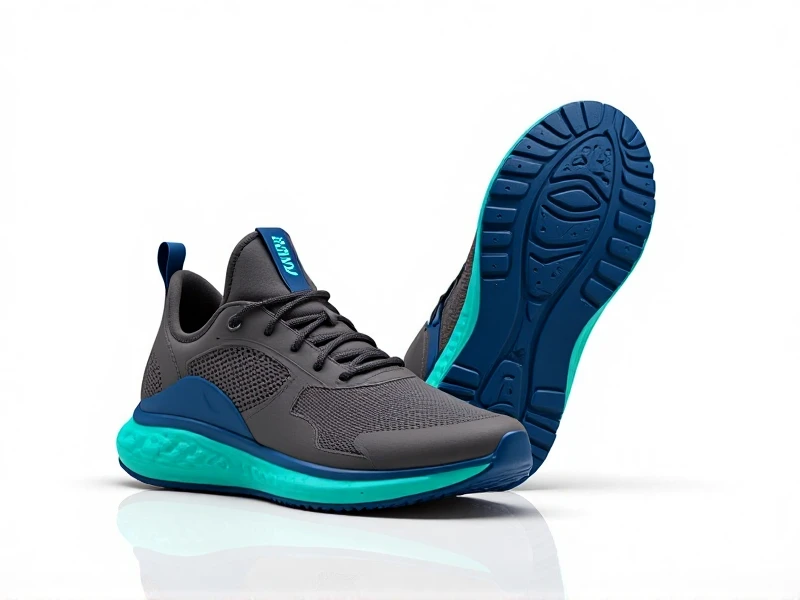
Here is an SEO-optimized article focusing on "Training Shoes":
Finding training shoes that enhance performance and prevent injury is crucial, whether you're a gym enthusiast, an athlete, or starting your fitness journey. Unlike running shoes designed primarily for forward motion or basketball shoes for lateral cuts, training shoes are built for versatility. They support a wide range of movements – think lifting, jumping, agility drills, and high-intensity workouts. Here's what to prioritize when selecting your next pair:
- Support & Stability: The Non-Negotiable Core: Effective workout footwear provides a stable base, crucial for weightlifting and balance exercises. Look for a flatter, more solid outsole compared to deeply cushioned running sneakers. This ensures better ground feel and stability during squats, lunges, or deadlifts, preventing your ankle from rolling. A secure heel counter and structured midfoot also contribute significantly to stability during dynamic movements.
- Cushioning & Responsiveness: Finding the Sweet Spot: While stability is key, effective cushioning absorbs impact during jumps and plyometrics. The cushioning in training shoes needs to strike a balance – ample enough for comfort yet firm enough not to compromise stability during lifts. Look for responsive midsoles that provide energy return without being overly squishy.
- Flexibility & Multi-Directional Movement: Your feet need to move naturally in multiple directions during workouts. Quality fitness sneakers incorporate flex grooves in the forefoot, allowing for toe bends during lunges or sprints, and provide a supportive upper that flexes with your foot laterally during side shuffles or agility work. The upper material should also offer breathability to keep feet cool during intense sessions.
Consider Your Primary Activities:
- General Cross-Training: For typical gym routines mixing weights with cardio machines, HIIT, or functional training, dedicated cross-training shoes are your best bet. They offer the balanced support, cushioning, and flexibility needed for a mix of activities.
- Strength Training Focus: If heavy weightlifting is your core activity, consider shoes with an even flatter heel-to-toe drop ("zero drop") or minimal compression sole, maximizing contact with the ground and stability. Some lifters prefer dedicated weightlifting shoes with raised heels.
- HIIT/Circuit Focus: For intense routines mixing jumps and sprints with weights, prioritize training shoes with slightly more targeted forefoot cushioning while still maintaining overall stability and multi-directional support.
The Material Matters: Opt for durable uppers (mesh often provides the best breathability-flex combo) that can withstand the rigors of diverse exercises and abrasion from equipment ropes. A solid rubber outsole offers excellent traction on most gym surfaces.
Ultimately, the perfect training shoes empower your movement, offer essential protection, and boost your confidence in any workout. Careful selection is the foundation for safer, more effective training sessions, helping you step confidently towards your fitness goals.
(Approx. 398 words)