The Ultimate Guide to Finding Your Perfect Running Shoes
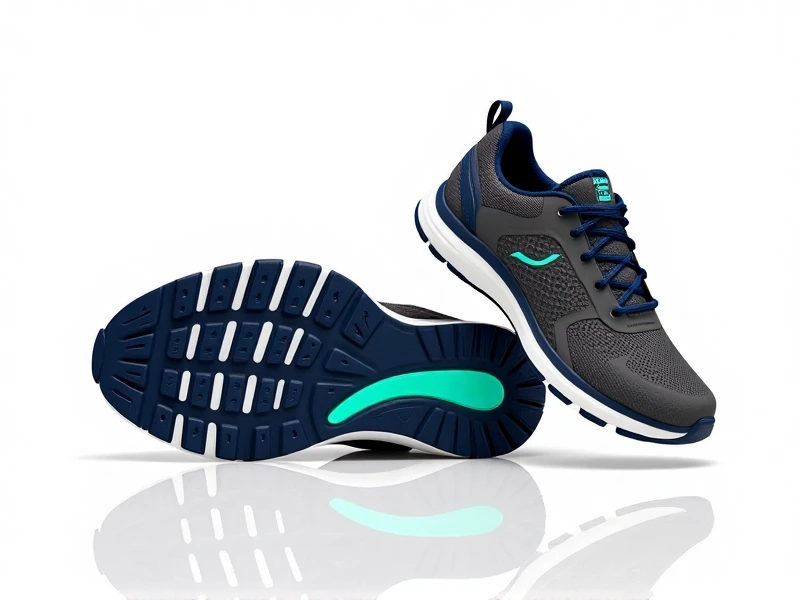
Finding the right pair of running shoes can make all the difference in your performance and enjoyment of running. As a runner, you know that proper footwear isn't just about comfort—it's about reducing injury risk, enhancing speed, and supporting your feet over miles of terrain. In this guide, we'll dive into why running shoes matter, explore different types, and share tips to help you choose the best fit for your journey. Whether you're a casual jogger hitting the pavement or a trail enthusiast exploring rugged paths, investing in quality shoes ensures every step feels smoother and safer.
Running shoes are engineered with advanced technologies to address specific needs. For example, modern designs offer superior cushioning to absorb shock during impact, which minimizes stress on joints like knees and ankles. This feature is especially crucial for long-distance runners who log hundreds of miles each year. Support elements, such as arch or heel stabilizers, help correct foot pronation issues, preventing common ailments like shin splints or plantar fasciitis. Many top models also include lightweight materials that boost agility without sacrificing durability. When considering running shoes, remember that your choice depends on factors like your gait analysis—whether you overpronate or have a neutral stride—as this affects stability and overall comfort on the road or trail.
Now, let's break down the main categories of running shoes for different runners. Neutral shoes are a go-to for those with an efficient, balanced stride; they provide ample cushioning and flexibility for daily runs. If you need extra motion control, stability shoes are ideal, reducing overpronation and keeping your alignment steady. For adventurous spirits tackling off-road challenges, trail running shoes feature aggressive outsoles with excellent traction to grip rocks and mud. Minimalist shoes focus on a barefoot-like feel, promoting natural form but requiring an adjustment period for injury-prone individuals. Always try on shoes in the afternoon when your feet swell slightly from activity, and look for options from trusted brands that undergo rigorous testing. After selecting, monitor your shoes' condition—replace them every 300-500 miles to avoid worn-out midsoles that lead to aches.
In essence, the perfect pair of running shoes transforms your routine from a chore into a joy. By prioritizing personalized fit and protective features, you'll run stronger, longer, and with fewer setbacks. Start your selection process today and experience how quality footwear elevates your game. For personalized recommendations and the latest innovations, browse our detailed reviews and guides on our website—you deserve shoes that propel you forward.