Find Your Perfect Stride: Your Ultimate Guide to Running Shoes
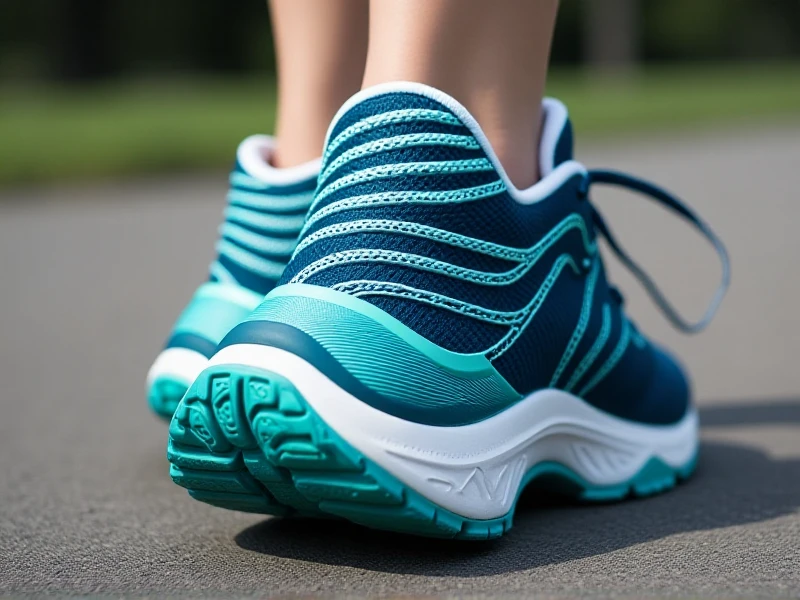
Choosing the right running shoes isn't just about fashion; it's essential for performance, comfort, and injury prevention. Stepping out in the wrong pair can turn your energizing run into a painful experience. Whether you’re logging miles on the road, trail, or treadmill, the perfect running shoe makes all the difference.
Why the Right Running Shoes Matter
Running places significant stress on your feet, legs, and joints with each stride. Quality running shoes act as vital shock absorbers, designed to cushion impact, provide stability based on your unique foot mechanics (like pronation), and enhance propulsion. Ignoring these needs increases your risk of common injuries like shin splints, plantar fasciitis, and knee pain. Investing in the correct footwear is an investment in your running longevity.
Key Features to Consider
- Cushioning: Ranges from minimal for a natural feel to maximum for plush impact absorption. Consider your distance, weight, and preference. Brands like Hoka excel in max cushion, while Nike and Saucony offer diverse options.
- Support & Stability: Vital if you overpronate (your foot rolls inward excessively). Look for features like medial posts or firmer foam on the inner side. Brands like ASICS (Gel-Kayano) and Brooks (Adrenaline GTS) are famed for stability. Neutral runners have wider choices (e.g., Brooks Ghost, New Balance Fresh Foam).
- Fit & Feel: This is non-negotiable! Your running sneakers must fit snugly in the heel and midfoot, with generous space (about a thumbnail's width) in the toe box. Width options (like New Balance offers) are crucial for many. Try shoes on late in the day when feet are slightly swollen and always test them running in-store when possible.
- Drop: The heel-to-toe height difference. Higher drop (8-12mm) may be gentler on calves/Achilles; lower drop (0-6mm) encourages a midfoot strike. Transition slowly if changing drop dramatically.
- Durability & Outsole: Durable rubber compounds on high-wear areas ensure longevity. Consider the terrain – road shoes have smoother treads; trail runners feature aggressive lugs for grip.
Finding Your Ideal Pair
- Understand Your Gait: Get a gait analysis done at a specialty running store. They assess your foot strike and pronation.
- Define Your Running: Daily trainer, speedwork racer, trail conqueror, or long-distance cruiser? Match the shoe's purpose to yours.
- Prioritize Comfort: The best shoe is the one that feels amazing while running. Don't rely solely on reviews; your comfort is key.
- Replace Timely: Most running shoes lose significant cushioning and support between 300-500 miles. Track your distance.
Pro Tip: Lacing techniques matter! A "heel lock" lace can prevent slippage, while loosening specific areas alleviates pressure points.
The journey to finding your perfect running companion takes research and trying options on. Prioritize fit, support, and cushioning aligned with your needs. Visit a reputable running specialty shop for expert advice and testing. Embrace the comfort and confidence that comes with the ideal running shoes – your body will thank you, mile after mile. Lace up and hit your stride!